Meet the NFL's Favorite Merry-Go-Round: The Same Ten Coaches, Endlessly Recycled
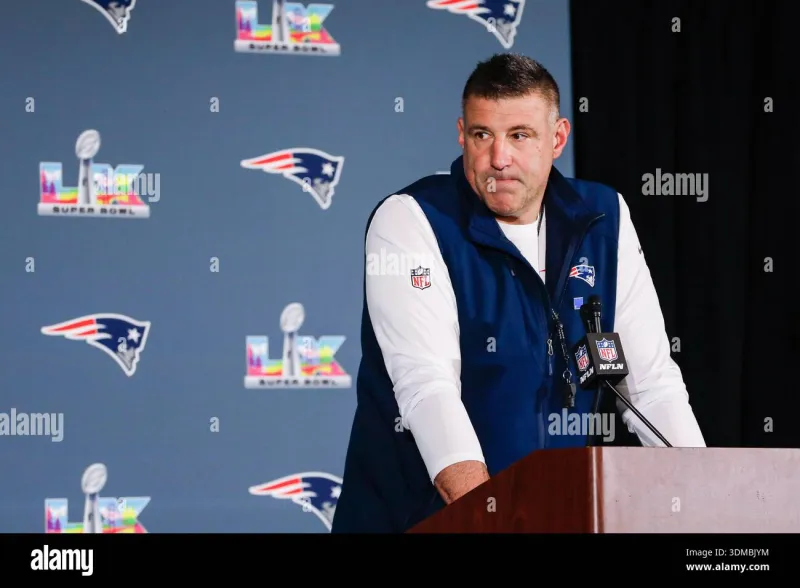
Photo: NFL head coach press conference podium microphone, via c8.alamy.com
It's January. The confetti hasn't even finished falling on the last playoff game and already the rumor mill is grinding out the same names it ground out three years ago. And two years before that. And the year before that. Like clockwork, like a bad Netflix sequel nobody asked for, the NFL coaching carousel fires up — and somehow, inexplicably, it's carrying the exact same passengers.
Welcome to professional sports' most expensive game of hot potato, where the potato is a guy with a 28-40 career record and the price tag is somewhere north of $10 million a year.
The Résumé Is the Product
Here's the dirty little secret that every NFL owner knows but won't say out loud at a press conference: most front offices aren't actually hiring coaches to win. They're hiring coaches to survive the press conference after they don't win. There's a massive difference.
When a franchise like, say, a perennial also-ran with a shiny new stadium and a fanbase running on pure spite decides it needs a new head coach, the conversation in the war room doesn't start with "who's the most innovative offensive mind available?" It starts with "who can we point to when this goes sideways?" Credentials are armor. A Super Bowl ring — even one earned as a third-string assistant who fetched coffee for Bill Belichick — is a bulletproof vest.
The result? A coaching labor market that functions less like a meritocracy and more like a country club where you need the right handshake to get in. Been a coordinator under a respected head coach? Congratulations, you're hireable forever, regardless of what you actually produce. Never worked inside the fraternity? Good luck getting past the lobby.
The Old Boys Network Doesn't Miss
Let's talk about the tree metaphor, because the NFL loves a good coaching tree the way fans love complaining about the NFL. Bill Walsh begat Mike Holmgren begat Andy Reid. Belichick begat half the league's current coaching staff. These lineages are treated like apostolic succession — as if proximity to greatness is genetically transferable.
It isn't.
For every Sean McVay who justified the hype, there are a dozen disciples of brilliant coaches who turned out to be absolutely average the moment they had to make their own decisions. But the network protects its own. GMs who came up through the same organizations hire coaches they recognize. Owners who want the approval of the league's power brokers go with the familiar name. It's nepotism with a headset on, and it is absolutely thriving.
Meanwhile, genuinely creative minds — coaches developing innovative schemes in college, coordinators running systems that the league hasn't caught up to yet — sit on the outside looking in because they don't have the right last name on their résumé. The Rooney Rule was supposed to crack this open for minority candidates. Instead, it became a checkbox exercise that teams game with fake interviews while the real decision was made three weeks earlier over dinner at a steakhouse in Indianapolis.
Failure Is Not a Disqualifier. It Might Actually Help.
Here's where it gets genuinely insane. In almost any other industry, a documented track record of failure would disqualify you from getting hired at the same level again. In NFL coaching, it's practically a prerequisite.
Consider the coaches who have been handed two, three, even four head coaching jobs despite never sniffing a conference championship. They get fired, spend a year or two as an analyst or a coordinator, rebrand slightly — maybe they ran a 4-3 instead of a 3-4 this time — and then some desperate franchise with a new GM who wants to make his mark rolls out the welcome mat and the guaranteed contract.
The reasoning always sounds so reasonable in the press release. "He's grown from his previous experiences." "He has unfinished business." "Our ownership believes in second chances." Translation: we didn't want to take a real risk on someone we can't explain to the media if it goes wrong.
What Risk-Averse Thinking Actually Costs You
Fans absorb the real price of this institutional cowardice. Not in dollars — though ticket prices certainly don't drop when the team goes 6-11 — but in years. Wasted years. Seasons poured down the drain while a retread coach runs the same vanilla offense that defensive coordinators have been scheming against for a decade.
Think about the franchises that broke the mold. The ones that hired the unproven guy, the young guy, the guy who came from an unconventional background. Sometimes it blows up spectacularly. But sometimes you get something that actually changes the game. The problem is that NFL owners, as a class, are uniquely terrible at tolerating short-term embarrassment for long-term gain. They'll pay $12 million a year for a familiar disappointment before they'll risk $6 million on someone who might be genuinely great.
That's not a sports problem. That's a psychology problem. Specifically, it's the psychology of people who have never had to live with the consequences of a bad hire the way a fanbase does.
The Carousel Keeps Spinning
So here we are, every winter, watching the same tired show. The press conference with the same talking points. The introductory speech about "building a culture" and "playing complementary football" and "earning trust." The local media nodding along. The fanbase cautiously optimistic because what's the alternative — despair?
And two, maybe three years later, the music stops, the coach gets a buyout that would make your head swim, and the carousel starts again. Same ride, different horses. Or honestly? Sometimes the exact same horses.
No Fuchs Given? The teams sure aren't giving any about changing the system. And until owners stop prioritizing their own comfort over actual results, neither will the carousel.